
Iowa’s Right to Repair Debate: Modern Tractors vs. the ‘Good Old Days’
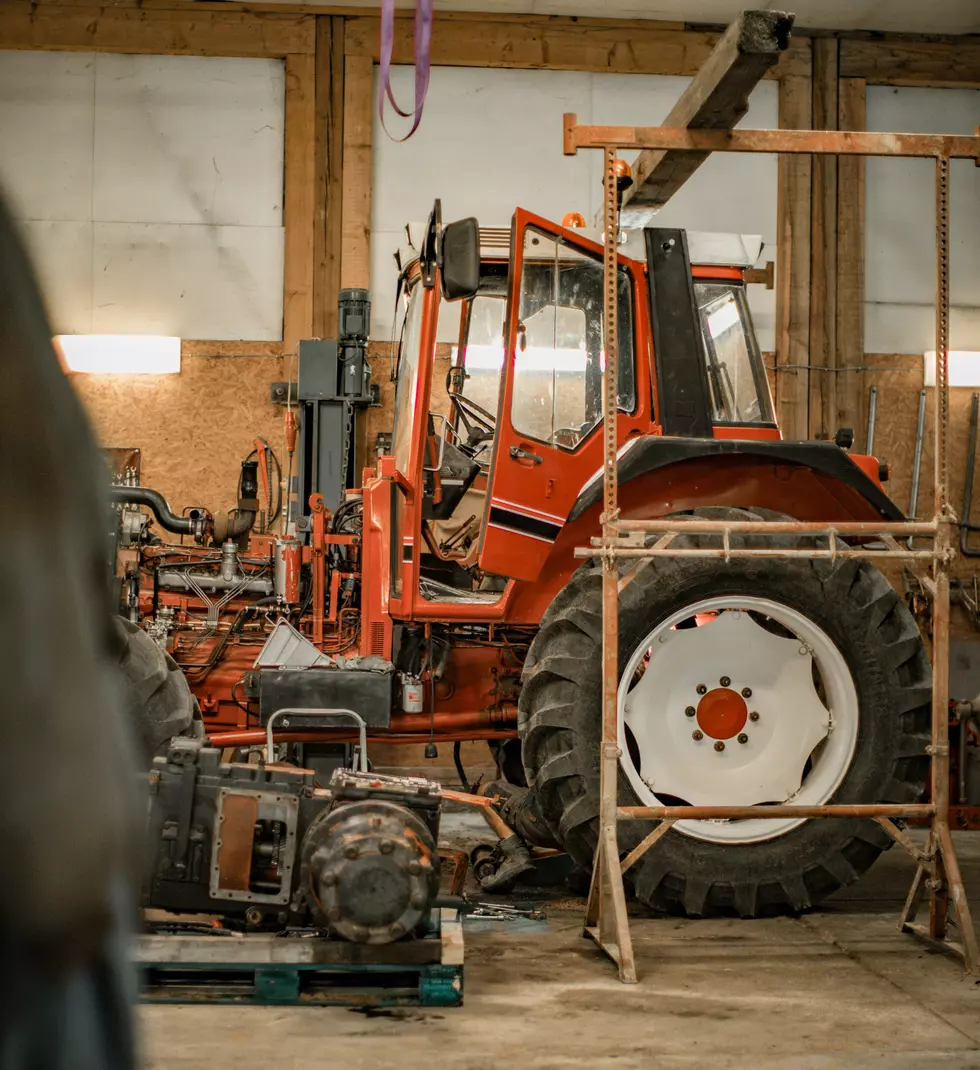
I grew up on a farm, so naturally, some of my earliest memories involve old red tractors. Whether they were working the fields, sitting in the machine shed, or in need of repairs in my uncle's shop. Those machines were more than just equipment. They were my family's livelihood and a classroom. While I learned how to drive them, I also learned how to work on them, at least a little. That was where I first picked up a cutting torch, learned the basics of welding, and discovered that fixing something with your own hands could be just as satisfying as using it. Especially when a fix worked, and saved us some hard-earned dollars.
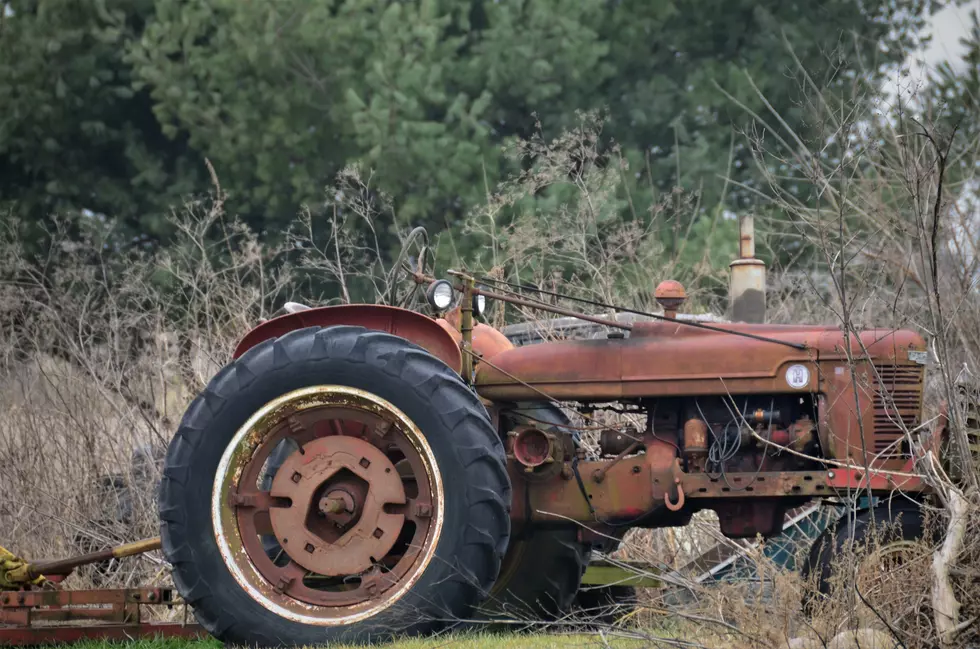
Back then, tractors were mostly mechanical. If something broke, you grabbed a toolbox and got to work. Sometimes the repair was simple. Sometimes it took a little creativity. Either way, the tractor belonged to you, and so did the responsibility of keeping it running. For today's equipment, that is hardly the case.
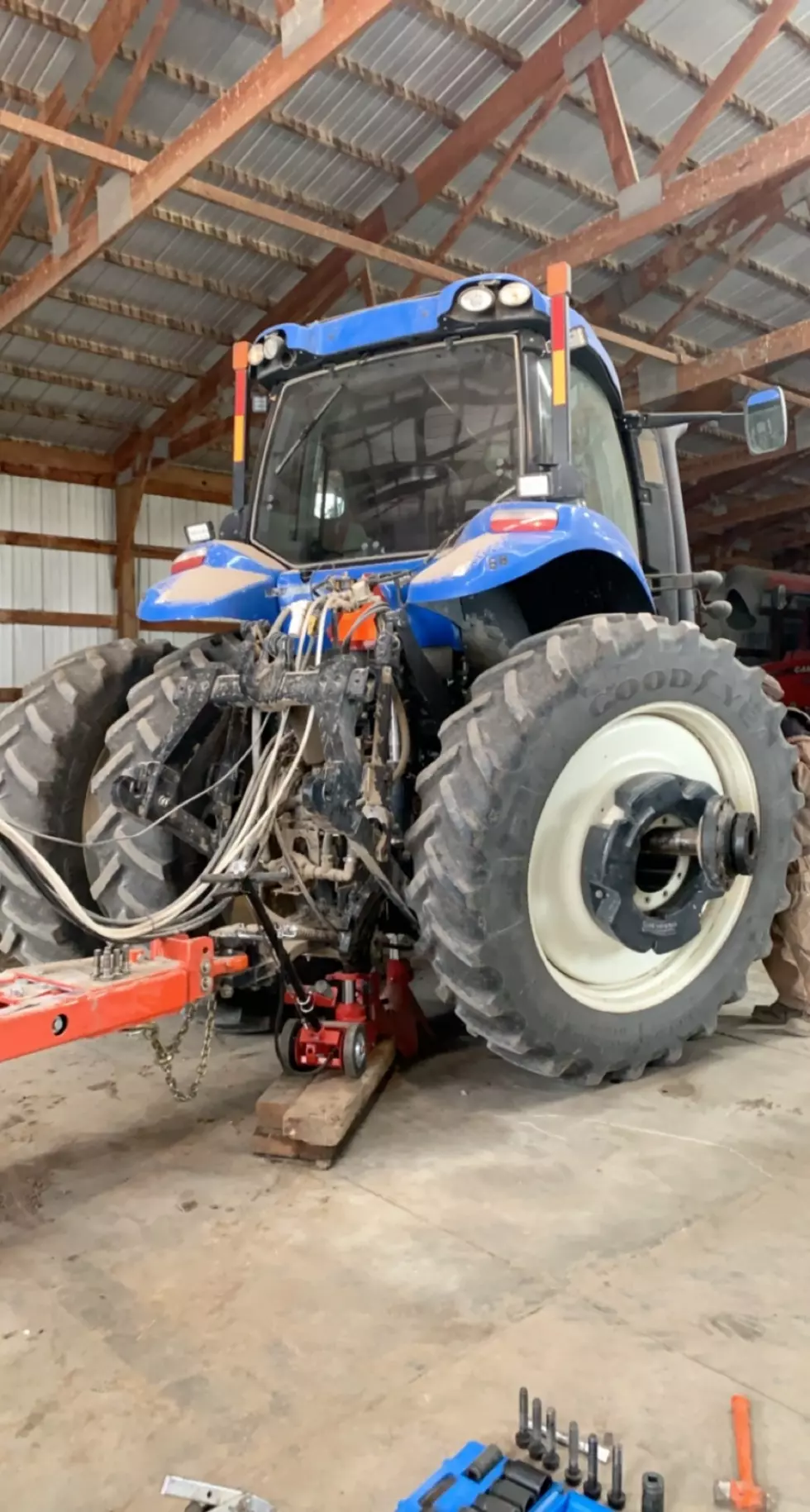
Here's the deal, modern tractors use computers, GPS guidance, sensors, and sophisticated software that make farming more efficient; planting more accurately, reducing waste, and improving yields. The downside is that when something goes wrong, the repair is no longer just mechanical, or even yours to attempt. A farmer may be able to replace a broken part, but without access to the manufacturer's software or diagnostic tools, the tractor may not recognize the repair has occurred or lock out the machine for use entirely. In many cases, owners need to rely on authorized dealerships to complete even "routine repairs." This is where the Right to Repair debate begins in Iowa, even after its recent failure in the senate.

This debate took center stage for the 2026 legislative session with House File 2763. The bill would have required manufacturers of agricultural equipment to provide owners and independent repair shops with access to repair manuals, replacement parts, diagnostic software, firmware updates, and specialized tools on "fair and reasonable terms." It also made clear that farmers own the operational data generated by their equipment. The goal was not to force companies to give away their technology, but to give equipment owners the practical ability to maintain and repair the machines they owned. The bill passed the Iowa House by a bipartisan vote of 70 to 18, with lawmakers across party lines showing support. The bill's path eventually led to the Senate Ways and Means Committee. It was then assigned to a subcommittee, but never advanced to a full Senate debate or vote before the legislative session ended.
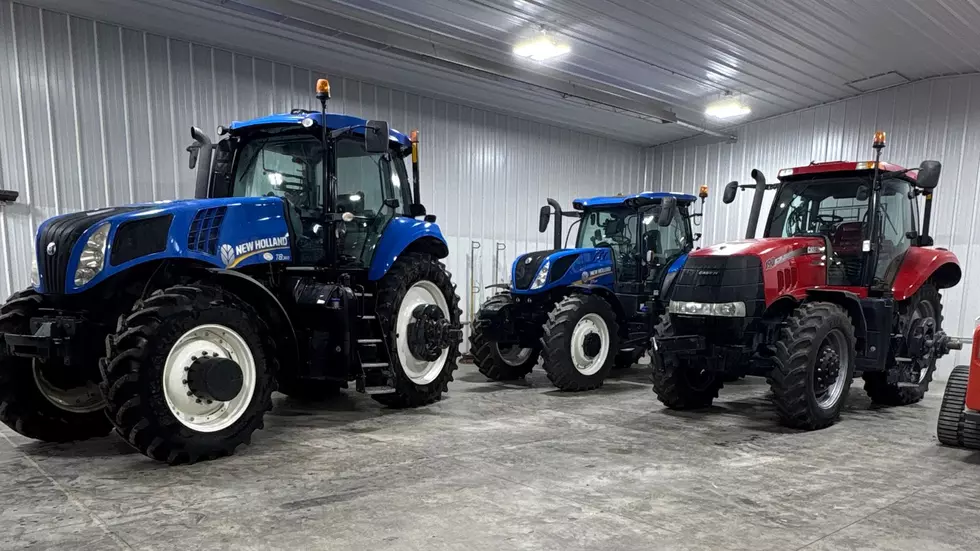
Lawmakers have not offered a specific reason why it stalled, but several factors likely play a role. Farm equipment manufacturers and dealer organizations argue the bill goes too far by requiring access to proprietary software and digital systems. They maintain that farmers already have meaningful access to repair resources and warned that broader access could create cybersecurity risks, compromise emissions controls, or expose valuable intellectual property. At the same time, supporters argue the currently provided resources leave farmers waiting on dealership service for repairs that can cost valuable time during planting or harvest.
The debate in Iowa also unfolded against a larger national conversation. In January 2025, the Federal Trade Commission joined five states in suing Deere & Company, alleging the company unfairly limited farmers' ability to repair their own equipment by restricting access to the software and tools needed for many electronic repairs. The lawsuit argued those restrictions "reduced competition, increased repair costs, and forced farmers to rely on authorized dealerships for repairs." Deere disputed those claims, saying it had already expanded access to repair resources and that its policies protect safety, security, and intellectual property. Although Iowa did not join the lawsuit, many of the same concerns raised in the case echoed the discussion surrounding the bill in Des Moines.
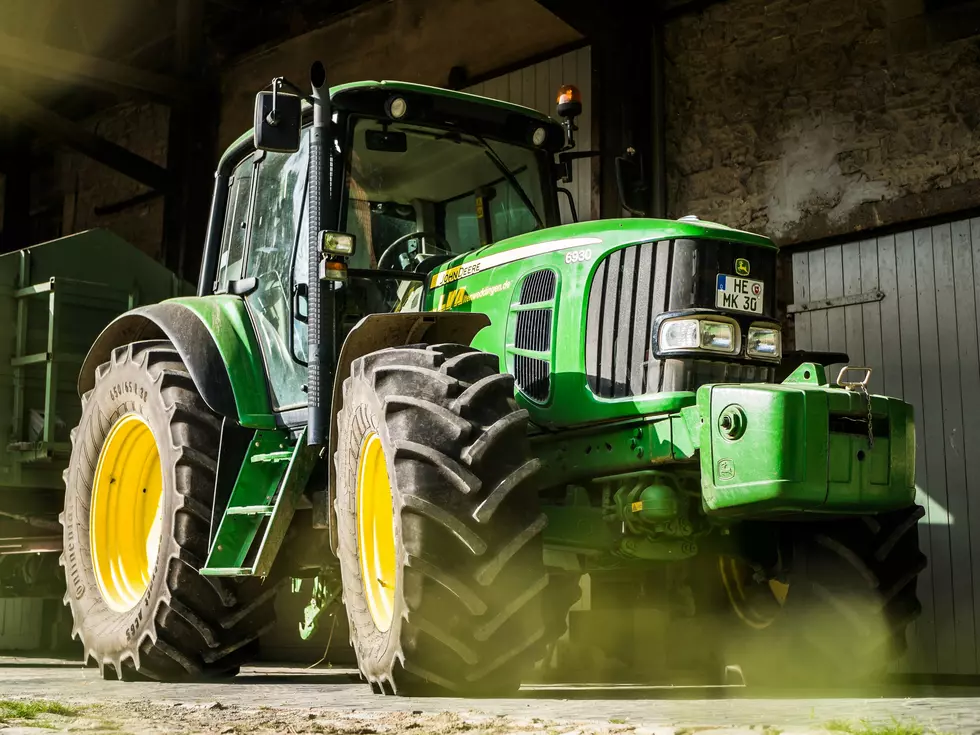
In July 2026, Deere reached a settlement with the FTC and the states involved in the lawsuit. Under that agreement, Deere will provide farmers and independent repair providers with substantially the same repair software and diagnostic resources available to its authorized dealers for covered agricultural equipment. While that settlement applies regardless of Iowa's legislative action, it may influence how future Iowa lawmakers approach the issue if Right to Repair legislation is introduced again.
I find it interesting that Iowa didn't join the federal lawsuit, yet its own House overwhelmingly supported a Right to Repair bill. That suggests the debate is less about politics and more about a simple question farmers have been asking for generations: "If I bought it, why can't I fix it?"
So my question is, "Is there is a middle ground or compromise area?" and if there isn't who's actually going to lose out? I don't have the answers, just lots of opinions from both sides of the fence. What I do know is that the lessons I learned in that old machine shed taught me the value of ownership, and the responsibility of caring for "your stuff." Owning something meant taking care of it, fixing it, and learning how it worked. Technology has changed farming, but perhaps it is worth asking whether ownership still means what it used to. If a farmer buys the tractor, should they have a reasonable opportunity to repair it? Finding that balance may be one of the most important conversations in Iowa's future.
Iowans Share Their Embarrassing Childhood Photos
12 Stupid Iowa Laws Still on the Books
More From Y105

